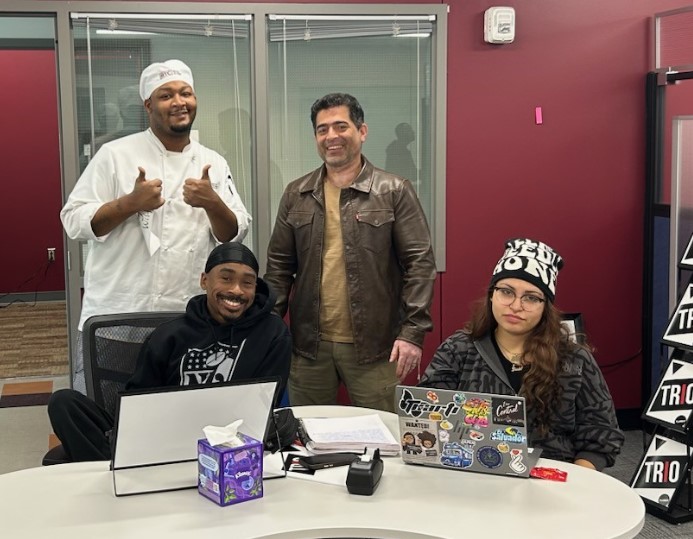
When a temporary funding gap delayed the availability of emergency assistance for students in the TRIO Student Support Services Program at Renton Technical College, the RTC Foundation stepped in to help. Through a $2,700 emergency grant fund, the Foundation provided critical support to students facing urgent challenges such as housing instability, transportation barriers, and other unexpected financial hardships.
The impact extended far beyond the dollar amount and kept students on track with their education.
For students like Ebony, the assistance arrived at a pivotal moment. While preparing for required clinical training in the Medical Assistant program, she had to leave her job with no way to cover rent as a single mother. With no other options available, emergency support helped her stay focused on completing her education.
Marisol, another Medical Assistant student, was attending classes and clinicals while living in her car with her children. Emergency assistance helped provide temporary housing while she worked toward securing permanent housing and full-time employment.
Housing-related emergencies have become one of the most pressing needs among TRIO students, according to TRIO Director, Dr. Lisa Hahn, Students often find themselves caught between long waiting lists, limited housing resources, and the realities of daily life while pursuing an education.
Dr. Hahn shared how the program's holistic approach helps students navigate both academic and personal challenges. Many participants are working parents balancing school, jobs, and family responsibilities. Student surveys show that TRIO participants feel a strong sense of connection and belonging, reinforced by the relationships and support they receive through the program.
Foundation support also helped students like Cynthia, a Medical Coding student who needed assistance with gas expenses to take her child to daycare, get to school, and continue making progress toward her credential. For online learners, who represent approximately 40 percent of TRIO participants, these types of personal check-ins and targeted resources can be especially important.
Another student, Gerray ("Dre"), found support while navigating housing challenges and rebuilding his life after past incarceration. Today, he is among the program's strongest advocates, crediting TRIO with helping him move forward and create new opportunities for himself.
The Foundation's bridge funding helped ensure that students did not have to choose between addressing immediate crises and pursuing their educational goals. Many of the students who received assistance are parents, creating a ripple effect that reaches entire families and future generations.
By partnering with TRIO during a critical period, the RTC Foundation demonstrated how philanthropy can remove barriers, restore stability, and keep students on the path to graduation. For dozens of students facing unexpected challenges, that support was more than financial assistance. It was a reminder that they had a community invested in their success.